








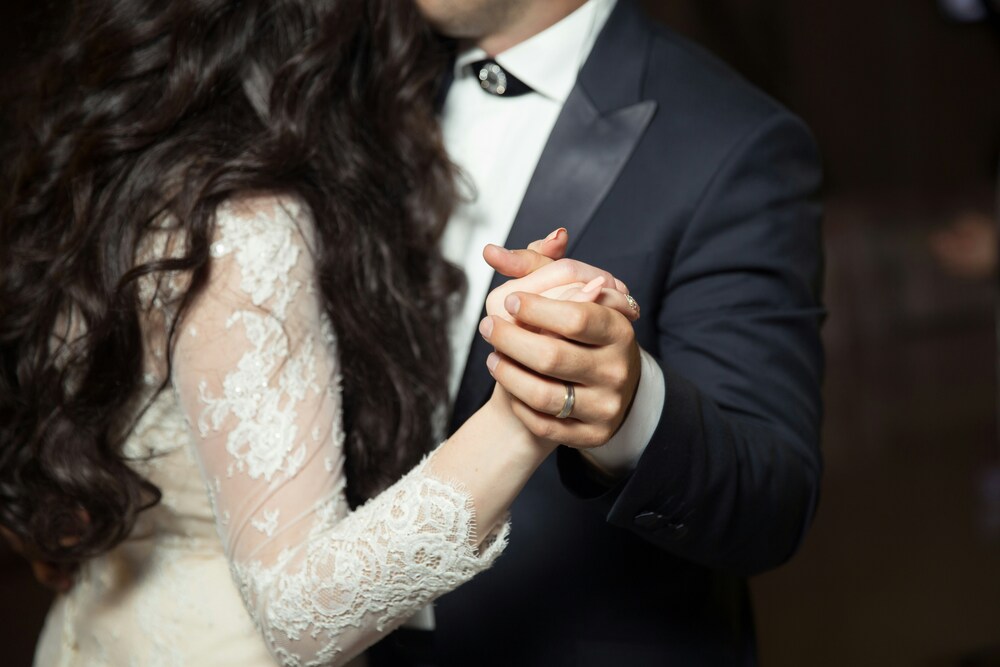
Wedding rings are more than just symbols of love and commitment: they also reflect the personality and style of the wearer. Traditionally, wedding rings were and still are made of gold or silver, often paired with diamonds or other precious stones. But today there are a variety of modern materials that go beyond classic precious metals and allow for an individual touch. These new options such as platinum, palladium, tantalum, titanium and carbon not only offer exciting designs, but are also robust, easy to maintain and often more affordable. The Gentleman Blog presents the alternatives.
platinum
A robust precious metal with timeless elegance
Platinum continues to be one of the most noble and exclusive materials for wedding rings. It is a rare metal known for its extreme hardness and durability. Platinum rings retain their shape and luster for many years without the need for frequent polishing. This makes platinum ideal for everyday wear, especially if the ring is exposed to heavy use.
The high purity content compared to other metals makes platinum hypoallergenic. This means that it is well suited for people with sensitive skin. The striking silver-white shine of the metal appears both subtle and luxurious.
A disadvantage of platinum might be its heavy weight. It is significantly heavier than gold or silver, which gives the ring a particularly precious appearance. Due to its rarity, the price of platinum is on the high end.
Palladium
The lighter alternative to platinum
A slightly lesser known but equally attractive choice is palladium. This precious metal belongs to the platinum group and has many of the same properties, but is lighter and less expensive. Palladium is also hypoallergenic and offers the same silvery shine so popular with platinum. It is corrosion and scratch resistant, meaning it will retain its shine for many years.
Palladium rings have a modern, minimalist appeal and are ideal for people looking for a more cost-effective alternative to platinum without sacrificing its elegance and durability.
Titan
Light, strong and absolutely modern
Titanium has established itself in recent years as a real trend in the world of wedding rings. Not only is it extremely robust, but it is also remarkably light: it is almost three times harder than steel, but significantly lighter! This makes titanium rings particularly comfortable and ideal for people with active lifestyles or jobs that put a lot of strain on their hands.
The color of the titanium varies from a subtle gray to darker tones, giving the rings a modern, minimalist aesthetic. Another advantage is that titanium rings are also hypoallergenic and therefore ideal for people with sensitive skin.
However, the hardness of titanium also has a disadvantage: the rings are difficult to adjust. If the circumference of your finger changes, it is often not possible to change the ring size.
Tantalum
Exclusive insider advice
Tantalum is a relatively rare metal that has only gained popularity as a material for wedding rings in recent years. It impresses with its unusual appearance: dark gray to almost black, often with slightly bluish reflections. This shade clearly distinguishes tantalum from traditional materials like gold or silver and makes it an exclusive choice.
In addition to its eye-catching appearance, tantalum also offers extreme scratch resistance and is highly resistant to corrosion. This makes it particularly durable and easy to maintain. Like titanium and palladium, tantalum is hypoallergenic and therefore gentle on the skin.
Because tantalum is less widely available, it may be more difficult to find a jeweler experienced with this material. Additionally, ring size adjustments are complicated due to the hardness of the metal.
Carbon
Lightweight and uniquely structured
Carbon is probably one of the most modern and unusual materials currently used for wedding rings. It is extremely lightweight yet extremely sturdy, making it an ideal choice for people looking for a comfortable yet durable ring. Originally used in space travel and racing, carbon has found its way into jewelry making and impresses with its extraordinary appearance.
The matte black surface of the carbon rings has a fine grain that gives each ring a unique structure. This modern aesthetic stands out from traditional shiny metals and is particularly suitable for people looking for something a little different. Carbon can also be used in combination with precious metals like white gold or platinum to create an elegant contrast.
Another advantage of carbon is its resistance to external influences, but it is difficult to change the size of the carbon rings afterwards because the material is very hard.
Trick : In this guide, we explain how to find the right wedding ring aside from the perfect material.
Holz
Natural and symbolic
Wood as a material for wedding rings may seem unusual at first, but it is becoming increasingly popular, especially among people who have a strong connection to nature or an affinity for natural materials. Celebrity Jan Sosniok also decided to get married to a wooden ring. Rings made of wood or with wood inlays offer a particularly warm and symbolic alternative to classic metals.
There are a variety of woods that can be used to make wedding rings – from light woods like maple to dark, exotic woods like ebony. Each type of wood has its own grain and texture, making each ring truly unique. Wood is often combined with metals to take advantage of both the natural beauty of wood and the strength of a precious metal.
A disadvantage of wooden rings is their sensitivity. They are less robust than metal rings and require some care to maintain their beauty. But for many couples, the special symbolic power and naturalness of wooden rings compensate for this disadvantage.
Ceramic
Scratch resistant and colorful
Ceramic is an extremely modern material for wedding rings and a fascinating alternative to precious metals. It is characterized by its extreme hardness and scratch resistance, which means that the ring will not show any signs of wear even after many years of wear. In addition, ceramic offers an enormous variety of colors: from classic black or white to colorful tones – individual wishes can be easily realized here.
Ceramic rings have an elegant, modern look and are very light, which makes them particularly comfortable to wear. However, the hardness of ceramic also has a downside: although the material is scratch-resistant, it is fragile. A violent impact can cause a ceramic ring to break.
Conclusion: a modern variety for individual wedding rings
The world of wedding rings has evolved enormously in recent years. In addition to traditional materials like gold and silver, modern options like platinum, titanium, tantalum or carbon offer a wide variety of options for personalizing the wedding ring. Each material has its own benefits and properties – from rugged durability to hypoallergenic properties to unique aesthetics. When choosing the perfect wedding ring, the focus should not only be on the visual appearance, but also on the practical use and suitability for everyday use.
The modern variety of materials allows couples to choose wedding rings that not only symbolize love and commitment, but also reflect their personal style and lifestyle.
Image: unsplash.com // Alvin Mahmoudov