









We all have basic hypotheses on generation Z: they are warned in technology, they appreciate creativity and social characters are just as important as their reputation for real life. But diving more deeply on how they react to marketing reveal interesting ideas that distinguish this generation. Although they are generally better versed in marketing work navigation, they are also more ready to engage with marketing when exciting and offers opportunities that are not otherwise possible.
To get a more detailed overview of Gen Z attitudes to marketing, we have associated with Yougov Data and Analytics Technology Group online. Yougov market studies shed light on incredible statistics around online Gen Z preferences, taken from a sample of American respondents aged 18 and over. In this article, we will present a selection of these statistics with a specific summary context which is its own.
The key subjects we cover are:
Generation Z attitudes to marketing
Generation Z is generally disillusioned by marketing, with a cynical attitude that sees through the glitter through events and understands that these programs are only companies to earn money for brands. This leads generation Z to be much more selective than the general population, being more likely to buy only in the brands they already like. The advantage here is that because generation Z is more selective and better informed, they are also more likely to convert once they have decided to engage with marketing. If you hang them, they will answer.
This darkness of not sticking to favorite brands can only be broken by marketing campaigns that demonstrate the capacity of a brand to innovate. TellD previously, generation Z requires the creativity of marketing campaigns: interactive events and celebrity mentions (with culturally relevant influencers) work best and are essential to access this demography.
Gen Z is cynical because …
- 75% of generation Z believes that “brands must find innovative means to market themselves and their products”
- 52% of generation Z believes that “pop-up events are only expensive Instagram opportunities”
But receptive to marketing because …
- 34% of generation Z “Trusted products recommended by celebrities or influencers” (against only 22% for the general population)
- 45% of generation Z has “always time for interactive stands during events” (against 37% for the general population)
When you respond to marketing …
- 13% of generation Z will buy the product (against only 9% for the general population)
- 17% of generation Z will seek more the specific product announced, and 14% will seek more the type of product in general (higher in both categories than the general population)

Of course, the form of marketing also counts. The methods that succeeded a few decades ago (television advertisements and product demonstrations) fell into disgrace with this new generation, while online advertisements jumped whatever the format (podcasts, social networks, etc.). Blogs and vlogs are an interesting case where generation Z will really consult the height of the writer / presenter for the product, although it is longer formats. This leads the common hypothesis that generation Z has a shorter range of attention.
- Printing is in disgrace: only 8% of generation Z as printed magazines (against 13% for the general population)
- Promotions and product demonstrations are not as popular with generation Z, at 29% and 15%, respectively (less than the general population)
- 15% of generation Z as blogs / vlogs of influence (against only 10% for the general population), and 20% of generation Z are willing at least to browse the blog / vlog content before rejecting it (against only 15% for the general population)
Popular social platforms among Gen Z
Social platforms remain the modern standard for the distribution of advertisements, so knowing which platforms are popular is essential. As you may have guessed, Instagram and Tiktok are much more popular among generation Z than other generations, but platforms offering more than standard video / photo sharing are also popular such as Twitch and Snapchat. Facebook is an aberrant value here, being the only social platform studied which was in fact less popular among generation Z than the general population. Gen Z relies on these platforms to send their favorite content: personal and memes videos.
- 83% of generation Z use YouTube (against 71% for the general population), Instagram arriving in second position with 69%
- The biggest disparities are on Twitch, Discord and Snapchat, where these platforms are used twice as many respondents of the Z generation compared to the general population
- 45% of generation Z Share personal photos on social networks, but it is only slightly above the general population. The big difference? 31% of generation Z Sending personal videos against only 22% for the general population
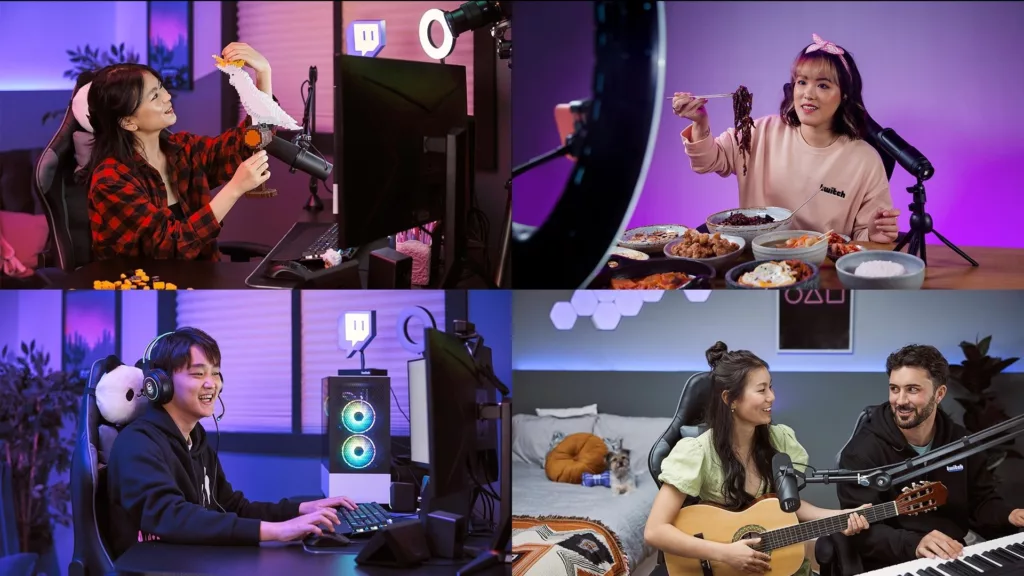
Given the number of additional Gen Z users on Twitch, YouTube and other live broadcasting platforms, it is not surprising that brands with a younger audience concentrate their attention.
- 63% of Gen Z watch flow flows (against only 38% for the general population)
- 28% of generation Z create games (against only 15% for the general population)
- If you are a Gen Z player, these figures register: 83% of Gen Z players watch flows and 40% of Gen Z players create flows
Popular influencers among Gen Z
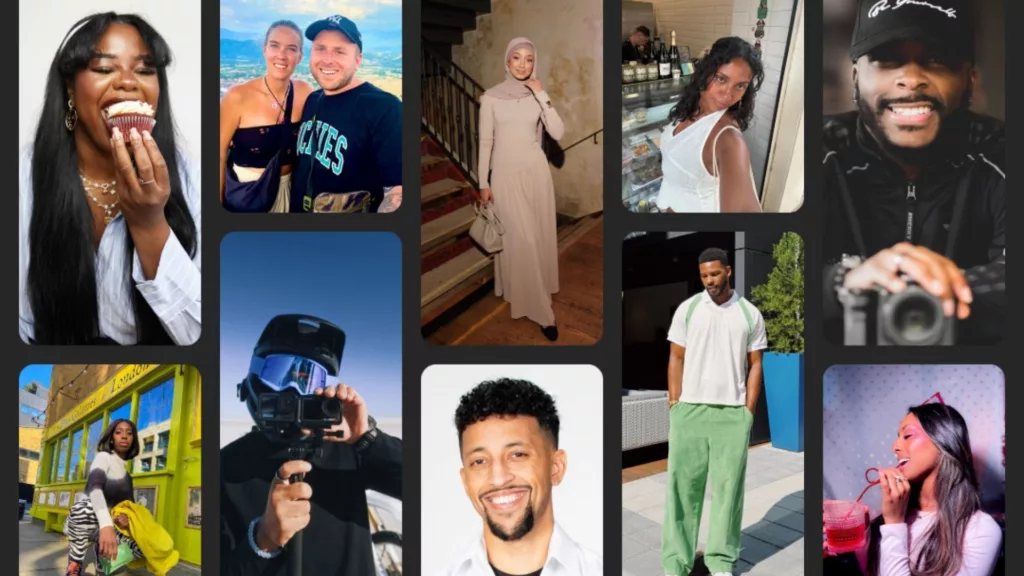
The most popular influencers among Gen Z are all inherited creators who have been building their communities since the first days of Youtube. Unsurprisingly (since respondents are in the United States), the most popular influencers are (almost) all of the United States as well. We will highlight the 5 best influencers, but we also want to shout more recent influencers who also make waves among generation Z. If you are interested in more, consult our other influencer messages and our classification pages.
The most popular influencers among Gen Z include …
- Pewdiepie (48%)
- Markipli (45%)
- Good mythical morning (45%)
- Matpat (44%)
- Mr. Beast (41%)
Some new influencers attracting the attention of Gen Z include …
- Emma Chamberlain (40%)
- Jasontheween (38%)
- Lil Tay (36%)
- Dixie of Amelio (35%)
- Kai Cenat (34%)
Popular video games among Gen Z
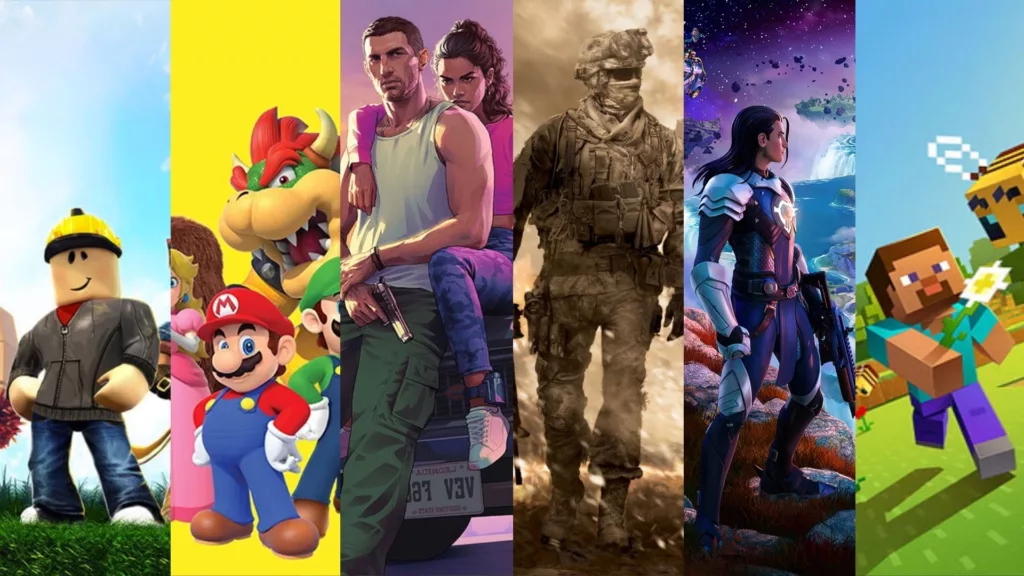
Video games are more popular among generation Z than any previous generation in almost all deductibles (except Madden NFL,, candy Crush SagaAnd GO monopoly!). But still, the diversity of interests among fans of video games has prevented a frankness from completely dominating the market. Even the most accepted video game franchise among Gen Z, MinecraftAlways use a fifth of the respondents of the Z generation. However, some games are distinguished in this generation for how popular they are with these young players than with previous generations.
Largely more popular video game franchises among generation Z than the general population does not understand …
- Minecraft (19% against 7%)
- Call of duty (17% against 8%)
- Roblox (14% against 5%)
- Fortnite (14% against 5%)
- Grand Theft Auto (14% against 7%)
- Clash shock (9% against 3%)
- Crosspiece (8% against 3%)
Popular marks among Gen Z
As mentioned earlier, generation Z is too aware of the types of campaigns that brands will present to attract their attention. This cynicism means that they will tend to gravitate towards the brands in which they already trust – even more than the general population. Knowing the most popular brands among generation Z audiences, it therefore offers an essential context for brands hoping to enter this market. In addition, the examination of some of the campaigns led by non -endemic marks which are already popular within the Z generation can provide an essential inspiration for future activations.
Below, we list the most popular brands among generation Z in a range of product categories, and also highlight certain brands which are much more popular among generation Z than the general population.
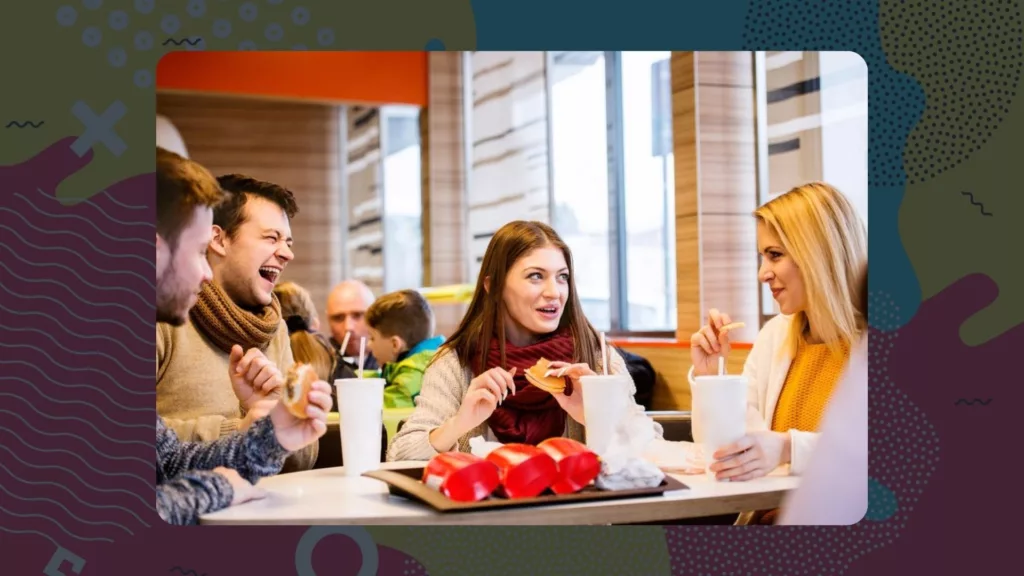
Catering brands (from relaxed catering to fast food):
The most popular brands among Gen Z are …
- McDonald’s (44%)
- Starbucks (31%)
- Chick-Fil-A (25%)
- Taco Bell (19%)
- Domino (19%)
Brands succeed better among generation Z than the general population does not understand …
- Chipotle (17% against 11%)
- California Pizza Kitchen (6% against 2%)
- Raise cane (8% against 4%)
- Wingstop (9% against 5%)
- Cold stone crammer (5% against 2%)
Payment service and credit card brands:
The most popular brands among Gen Z are …
- Paypal (42%)
- Visa (36%)
- Veno (26%)
Brands succeed better among generation Z than the general population does not understand …
- Veno (26% against 22%)
- Cash application (22% against 19%)
- Apple card (9 against 6%)
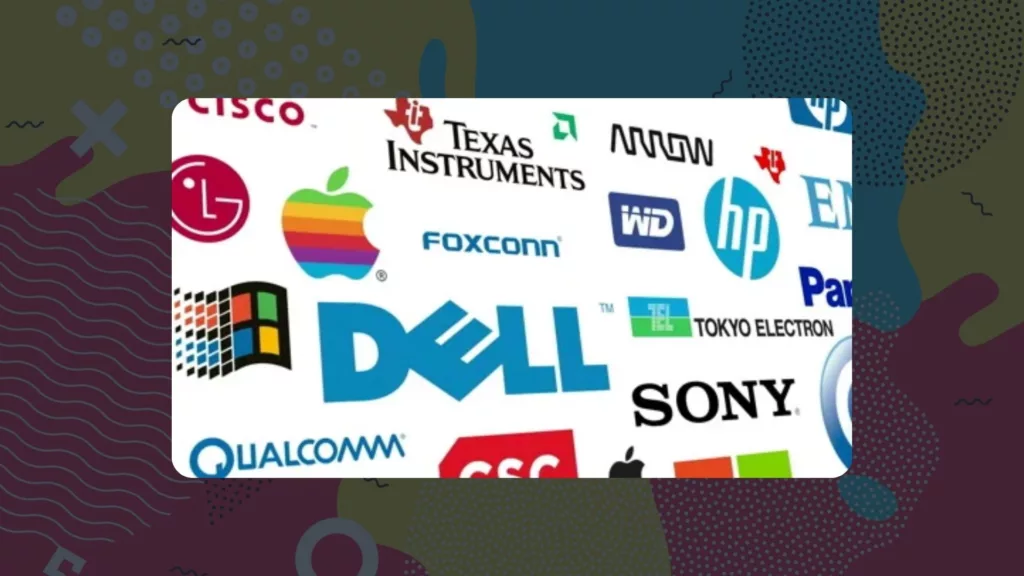
Technological brands (communication and networks):
The most popular brands among Gen Z are …
- Microsoft (26%)
- Apple (25%)
- CNN (25%)
- iPhone (24%)
- HBO (21%)
Brands succeed better among generation Z than the general population does not understand …
- Chatgpt (21% against 8%)
- Deepseek (13% against 1%)
- Grok (10% against 1%)
- Apple (25% against 18%)
- Adult swim (14% against 7%)
Clothing and shoes brands:
The most popular brands among Gen Z are …
- Nike (29%)
- Apple Watch (24%)
- Adidas (19%)
- Gucci (11%)
- Calvin Klein (10%)
Brands succeed better among generation Z than the general population does not understand …
- Adidas (19% against 11%)
- Dior (10% against 4%)
- The north face (9% against 4%)
- Puma (10% against 6%)
- Vans (8% against 4%)
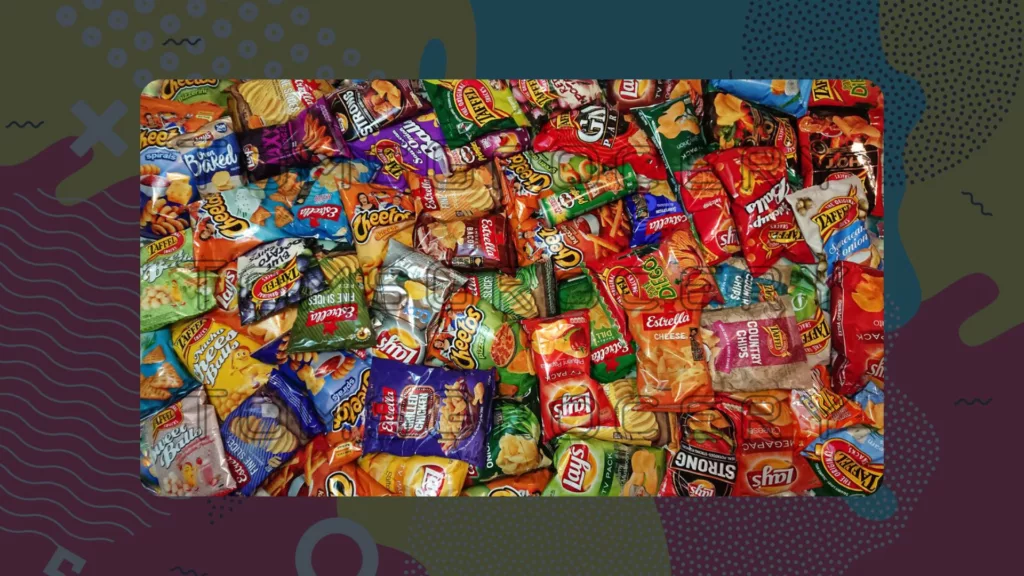
Food and drinks marks:
The most popular brands among Gen Z are …
- HI-C (33%)
- Coca-Cola (32%)
- Heinz (30%)
- Oreo (28%)
- M&M (26%)
Brands succeed better among generation Z than the general population does not understand …
- Fanta (22% against 10%)
- Dr Pepper Zero (12% against 4%)
- Nespresso (11% against 5%)
- Kat (24% against 19%)
- Smirnoff (10% against 6%)
_
These are influencers, video games and marks to which generation Z is currently. But trends are changing, and products that can be positioned in spaces that are not already cornered by massive marks can use the trends presented here to enter and make a name. Navigate this space, of course, requires advice from space professionals, such as influencer marketing agencies and market researchers like Yougov. Before you can reach your audience, you must know your audience.
To find out more about expert influence marketing advice in 2025, see Stream’s Hatchet’s influencer marketing book:
Technology
Game Center
Game News
Review Film
Berita Terkini
Berita Terkini
Berita Terkini
review anime